In February 2018, investigative journalist Jan Kuciak and his fiancee, Martina Kušnírová, were found dead in their home, killed following the publication of a series of articles unearthing a tax evasion scam carried out by one of Slovakia’s most infamous business men, Marian Kocner.
The public outcry following these events was thunderous, with protests calling for an in-depth investigation and then-president of the European Parliament, Antonio Tajani, claiming that Europe's governing political body "will not rest until justice is done."
In the months that followed, the public learned that Kuciak’s request for police protection had been largely ignored and that Slovakia's government could have been complicit in the murders, following a former intelligence officer’s admission that the journalist had been shadowed on behalf of Kocner. The events and subsequent investigation culminated in the resignation of Prime Minister Robert Fico last March.
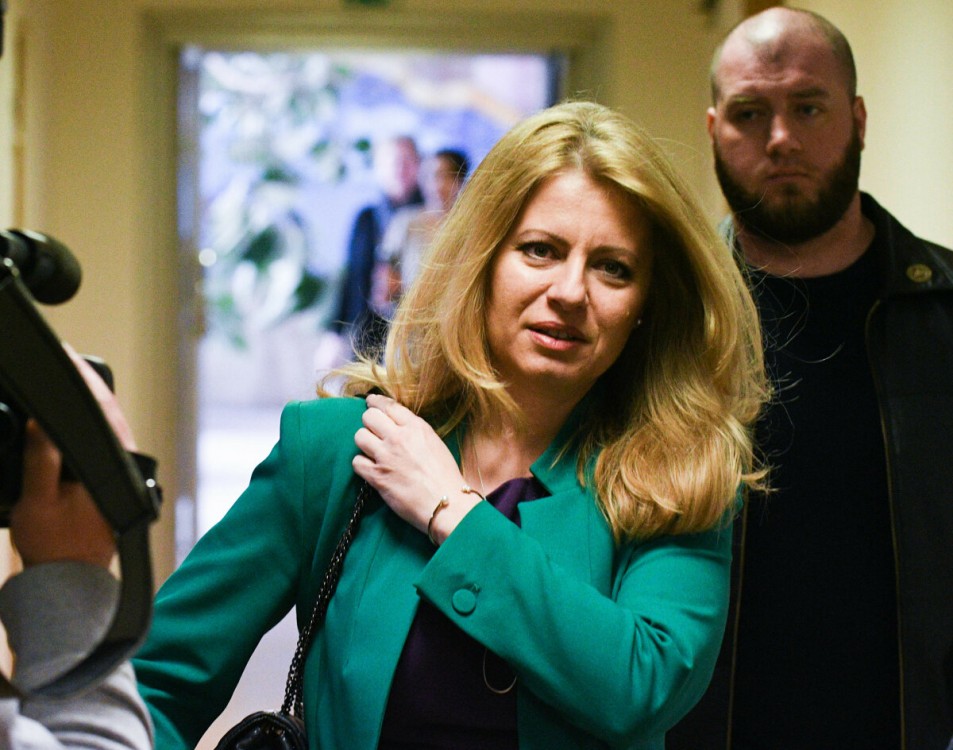
But despite the fact that corruption in the highest levels of the Slovakian government had been brought to light, the administration that took over for Fico did little to address the root issue. It would seem that as far as Slovakia’s politically skewed status quo was concerned, it had all been for nothing. Then Zuzana Caputova came along.
An upstart in the running
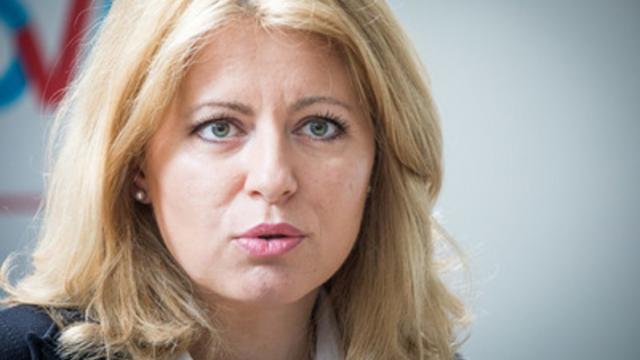
Following the endorsement of Slovakian President Andrej Kiska, politician Zuzana Caputova has enjoyed a meteoric rise following her victory in the initial round of the country’s presidential election earlier this month. According to a recent statement by Caputova:
“I see a strong call for change in this election following the tragic events last spring and a very strong public reaction…[we] stand at a crossroads between the loss and renewal of public trust, also in terms of Slovakia's foreign policy orientation."
Caputova, who faces a presidential run-off against independent candidate Maros Sefkovic this Saturday, Mar. 31, has based her platform on a hard anti-corruption stance. According to a statement, she has called for a re-capture of the state from “people pulling strings from behind,” without simultaneously compromising the country’s foreign policy.
It’s important to note that Caputova had locked horns with Kocner during her days practicing law. Her campaign has also been the target of intense disinformation attacks on social media from elements with a strong nationalist and pro-Kremlin lean, according to findings by Slovak think tank Globsec.
If Caputova wins the election this weekend, she will not only become Slovakia's first female head of state but will also stand to end the Slovak Social Democrat Party’s (Smer-SD) closely held majority in parliament, which it has maintained sine 2006, further disrupting the balance of power that has been in place in the country for more than a decade.
Caputova certainly represents an optimistic new turn for Slovakia, but the change she brings may only serve to reveal the tip of the iceberg. Corruption, as it turns out, has been a staple of European politics for a while now.
As above, so below: Corruption in the E.U.
In early 2014, Transparency International determined that the majority of institutions in the European Union were highly vulnerable to corruption, owing to the complexity of the legislature and the E.U.'s tradition of drawing up laws with little concern for making changes or re-drafts to those laws known to the voting public.
According to the Union's own anti-corruption report, almost three quarters of Eurοpeans believe that corruption is widespread in the E.U. Findings point to more than 120 billion euros being lost as a result of shady EU practices and lack of transparency.
Furthermore, little provision has been taken to facilitate whistleblowing that could expose corrupt policies. Members of Parliament and representatives have consistently proven unresponsive to requests for interviews regarding issues of government transparency.
According to Carl Dolan, director of the Transparency International report, “The gap between the rhetoric…and the reality on the ground is striking. Now, more than ever, we need a strong and visible commitment to tackling corruption. Rising populism and the weakening of the rule of law across Europe requires concrete action from the EU on fighting corruption.”
The failure to beat back corruption within E.U. member states has been sharpest among former members of the Soviet Union. In Poland, the uktad system served to divert EU funds, while in Hungary the administration’s participation in the Danske Bank scandal proved that the European Union is ill-prepared to handle such displays of criminality.
Even in Greece, the most infamous of offenders when it comes to corruption, the current and previous administrations have made few attempts to hide a long-standing tradition of hand-picking public officials who fall into party line, or granting government positions to party supporters in exchange for helping maintain their political survival.
Perhaps above all, the Slovak elections – and Caputova’s anti-corruption promises in particular – will lead to a new era of increased transparency on the Old Continent, exposing the corrupt old guard and letting in new blood that won’t be so eager to repeat the mistakes of the past for the sake of personal profit.
Then again, Europe has proven itself time and again resistant to change. Maybe a more effective shift can only come from the hands of a vigilant voting public, rather than any administration regardless of its promises.