
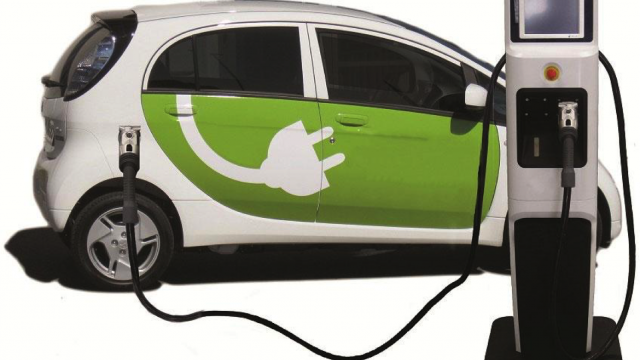
The French government recently announced a plan to ban sales of new gas-powered cars by 2040. Not to be outdone, the U.K. government is now rolling out a similar plan of its own.
These plans sound shockingly radical, but in fact many analysts think those transitions will happen anyway.
For instance, the Dutch bank ING recently predicted that all the cars sold in Europe will be electric by 2030. More conservative estimates put it at 2050. Either way, most experts now see this change on the horizon.
Electric vehicles — or EVs — are already more efficient than their gas-powered counterparts, and could soon become cheaper too. High-end models already outperform conventional engines for speed and acceleration.
Yet potential buyers will continue to be wary as long as the range of batteries remains small, and the network of charging points — think gas stations for electric cars — remains patchy.
Rapidly developing technologies could help overcome this “range anxiety,” as the distance between charges could rise from around 100 miles to over 400 in the next decade. But it’s public policy, rather than technology, that’s the real driver of the EV revolution.
Take Norway, where EVs already account for more than 40 percent of new cars sold.
There, a publicly funded network of free charging stations is driving the surge. The government also offered a range of other perks and incentives: scrapping sales and registration taxes for EVs, exempting them from parking charges and road tolls, and allowing them to dodge heavy traffic by using bus and taxi lanes.
As sales of EVs come to overtake gas-powered cars, the subsidies are being phased out. Yet the benefits continue: A growing fleet of clean vehicles will massively reduce air and climate pollution, and Norway is now well placed to develop and export technologies in a fast growing new industry.
As other European governments get more serious about supporting EVs, some conventional automakers are already embracing an electric future. The Swedish company Volvo recently announced that all of its new cars will be electric or hybrids from 2019 onwards.
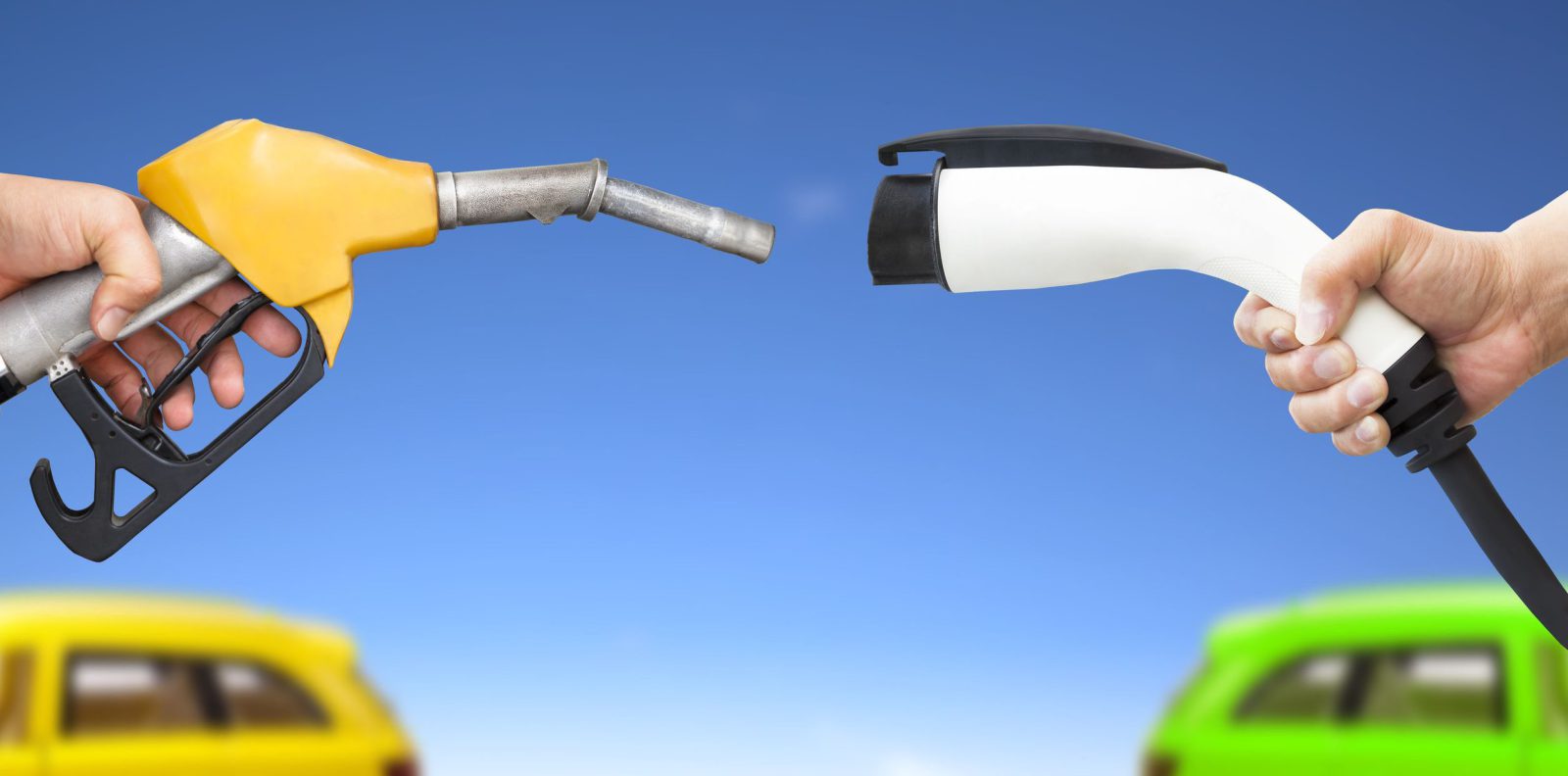
U.S. manufacturers, on the other hand, could scarcely be more different.
Oil companies and automakers have successfully lobbied the Trump administration to consider reversing Obama-era fuel-economy standards, which could have supported a shift to hybrids and EVs, as well as cutting pollution that leads to thousands of premature deaths every year.
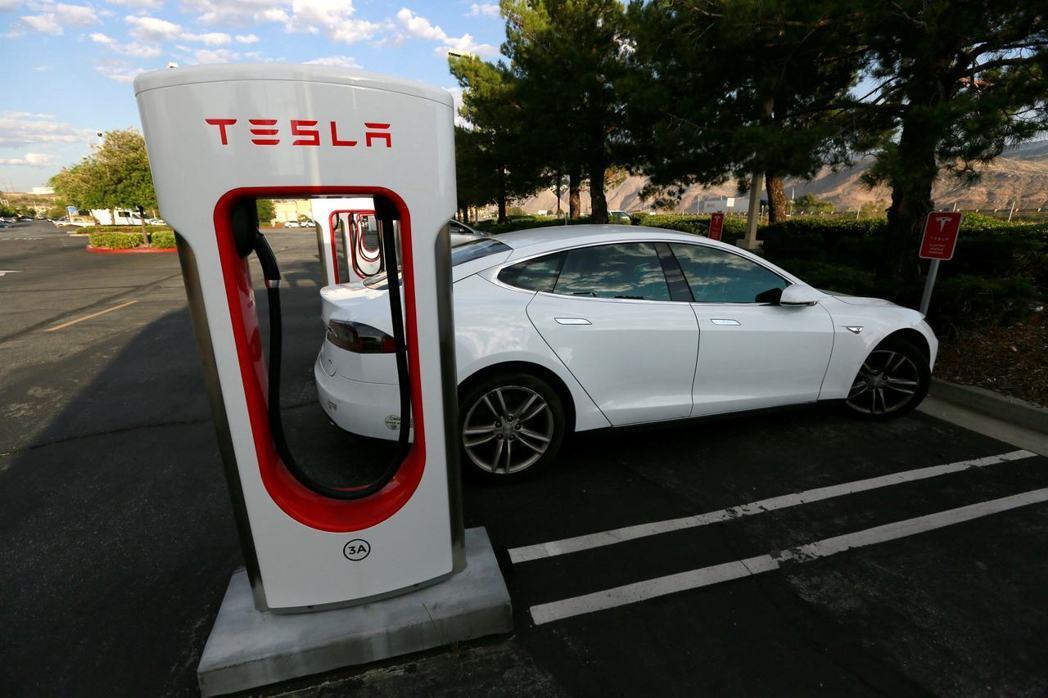
No wonder the big three U.S. automakers — Ford, GM, and Chrysler — lag way behind their global competitors in developing new EVs. Even stock markets are questioning the wisdom of that bet, as Tesla’s value starts to rival its Detroit competitors.
Fortunately, states and cities can still lead where the federal government is failing.
California is sticking with its fuel-economy standards — the nation’s toughest — and mandating automakers to sell “zero emission vehicles” alongside conventional cars.
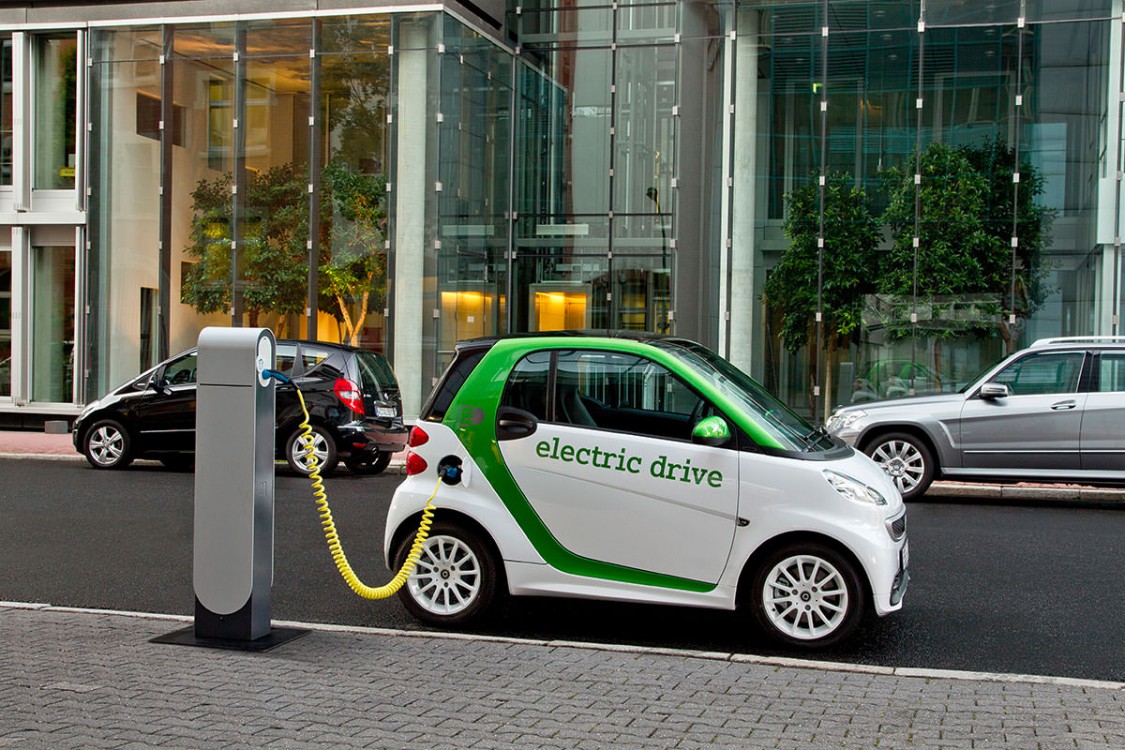
California’s cities are also leading the way with public charging points, but they’re not alone. Cities from Seattle to Atlanta are embracing EVs through incentives ranging from tax incentives to carpool lane access.
Of course, promoting EVs alone won’t solve our air pollution problem, or help the U.S. meet its share of global action on climate change — especially where electricity is still produced from coal and other fossil fuels.
We’ll also need better public transportation and changes in how cities are planned, to bring homes closer to shops and workplaces. But electric vehicles will be an important part of getting air pollution and climate change under control.
Local politicians need to step up where the Trump administration is failing, or we risk getting left in the slow lane.
3 WAYS TO SHOW YOUR SUPPORT



- Log in to post comments


