
Despite living in so-called “post recession” America, people all across the country still live well below the poverty line. Ideas like universal basic income have been floated around, but don’t hold your breath as long as Trumpublicans are in charge, and expect to fight hard with the Dems, too. Times are always tough and movies are a reflection of the age they're made in. This year has seen its share of excellent cinema across all genres, but in terms of representing current economic desperation, only two come immediately to mind: "The Florida Project" (now in theaters) and "Good Time" (now streaming). In a year most depressing and strange, this social anxiety double feature not only gives us people we can relate to, but also root and feel for. Most of us have, at some point, been where these characters are.
Sean Baker, who previously directed the all-iPhone-shot Christmas-in-West-Hollywood flick, "Tangerine," returns under the shadow of Disney World in a story about the invisible homeless and their vastly imaginative children. "The Florida Project" is set at a no-tell motel off the exit that’s on the way to theme park fun. It’s a stead that houses people and families on the outskirts of wealth who struggle day to day to make the weekly payments.
The story centers on a young mother and her daughter, Moonie, who runs around the complex and surrounding businesses with wide eyed gaze and incredible energy, making friends and pulling shenanigans. Meanwhile, the motel manager, played by a most heartfelt Willem Dafoe, tries his best to care for everyone as a sort of surrogate father figure. This isn’t "The Cider House Rules" nor is it without its share of optimism, but eventually all comes crashing under the weight and stress of living on the financial edge.
It’s warming to see the world, especially an impoverished one, through the eyes of adventure-ish kids, but it doesn’t change how cold it truly is – or erase the obvious juxtaposition of people living so close to, yet so far from, a corporate-run wonderland. For Moonie that means living within reach of Disney, though the sheer cost of a ticket let alone the time she would sacrifice from work is too much to bear. Her life is one stuck in a cycle of robbing Peter to pay Paul, working for pennies on the dollar only to have nothing leftover.
It’s a tease of sorts, perpetrated by one class against another. If you try hard enough, you too can achieve the dream. "The Florida Project" reveals the dark underside of this truth, but instead of specifically blaming anyone or providing an easy resolution, it ends on a somber if beautiful and inevitable note. Thank goodness Moonie and the other little ones have spunk to spare.
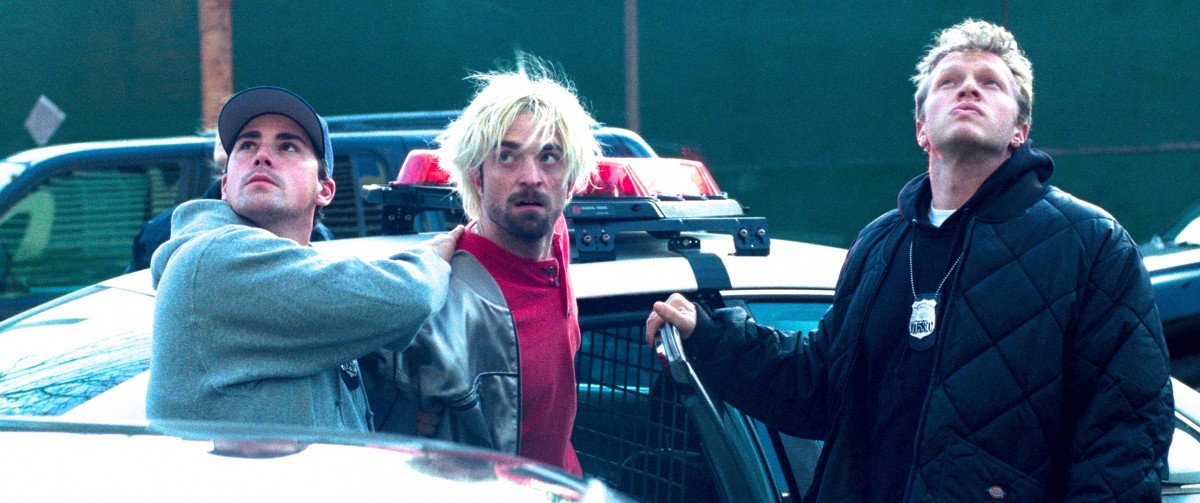
Where "The Florida Project" is more of a summertime drama, "Good Time" is a New York City thriller about, in simple terms, not getting caught. In this Safdie Brothers film, Robert Pattinson plays a strategic and clever bank robber who, after botching a job, must get his brother out of jail while evading capture himself. Mistake after mistake leads Pattinson on a trippy, tense journey in which money and economic security is the goal. Pattinson plays his role with heart-pounding urgency, expressive of the fear and anxiousness many experience when trying to trade one caste for another.
There is a sadness that permeates this film about a man trying to free his own brother. Pattinson's character could just turn himself in and accept his fate. But his lust for a better life overwhelms him, making things worse minute by minute. At heart it is a cautionary tale about falling prey to the mostly unreachable carrot dangling over all of us. More than anything, the mantra in "Good Time" is Make America Great Again: it's about those people who have bought into the MAGA philosophy in visceral, tragic ways.
You reap what you sow – that’s the line we’re ultimately told to embrace. Painted into a corner, economically and socially, what kinds of decisions would you make? What choices would you have? Too many of us live in this holding pattern, week to week, paycheck to paycheck. What "The Florida Project" and "Good Time," two vibrantly independent and realistically fierce films, succeed in doing is to break down that scenario and erase the facade that we are locked into by our own deception. Revealed is a country under the thumb and the gun of a certain few who will never be satisfied with what they have.
Bill Arceneaux is a film critic from New Orleans. Follow him on twitter @billreviews.

3 WAYS TO SHOW YOUR SUPPORT



- Log in to post comments


