Read

User menu

Search form

Why Regulators Should Block Amazon’s Acquisition of Whole Foods

Why Regulators Should Block Amazon’s Acquisition of Whole Foods
Wed, 6/21/2017 - by Nick Stumo-Langer
This article originally appeared on Institute for Local Self-Reliance

In response to Amazon’s announced acquisition of Whole Foods, Stacy Mitchell, co-director of the Institute for Local Self-Reliance (ILSR) and co-author of "Amazon’s Stranglehold," made the following statement:

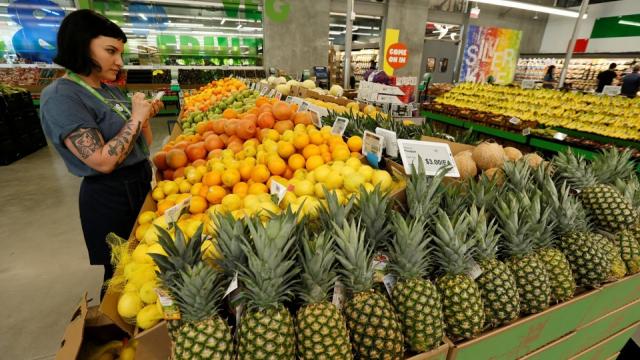
“Amazon’s acquisition of Whole Foods raises significant anti-competitive issues that should be deeply concerning to federal antitrust regulators and the public. This deal would allow Amazon to leverage the Whole Foods chain in ways that would expand its monopoly power in online commerce, including by integrating these locations into its rapidly growing logistics and delivery network. And it would give Amazon, which already sells more clothing, books, toys, and consumer electronics than any other retailer, a substantial share of an even bigger consumer goods category, groceries. Regulators should block this acquisition.”

ILSR’s recent report "Amazon’s Stranglehold" traced Amazon’s rapidly expanding reach and its impacts. The report found:
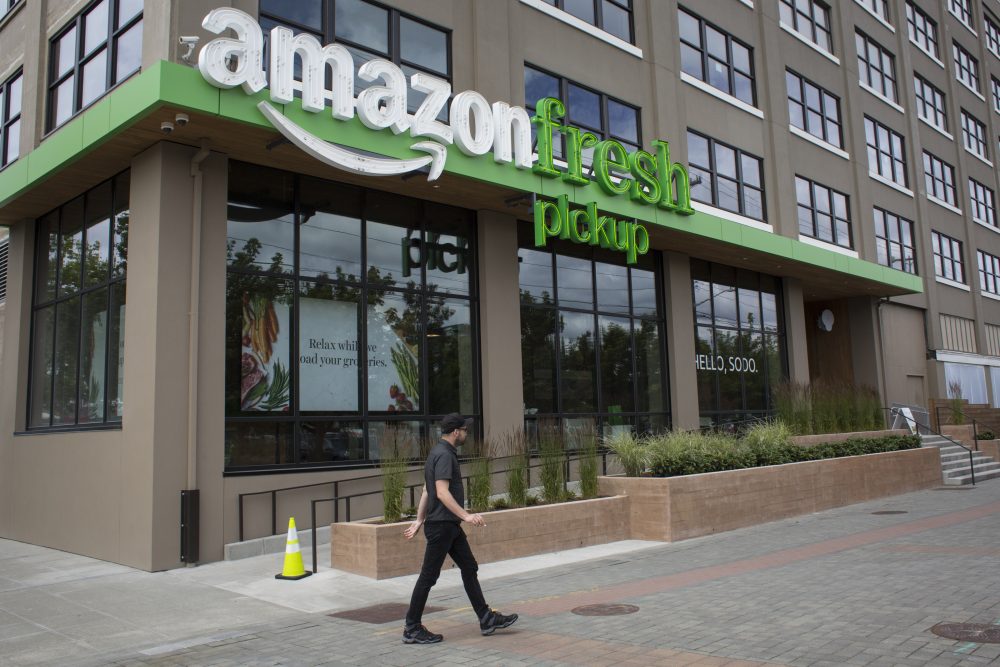
Amazon is Monopolizing Online Retail

— Amazon captured $1 of every $2 Americans spent online last year. That’s up from 30% of online sales just three years ago. Many competing retailers and brands must now rely on Amazon’s platform, and submit to its terms, if they want to reach the market. As the report documents, Amazon has a history of exploiting its role as a platform for its competitors to increase its own direct retail sales and market power.
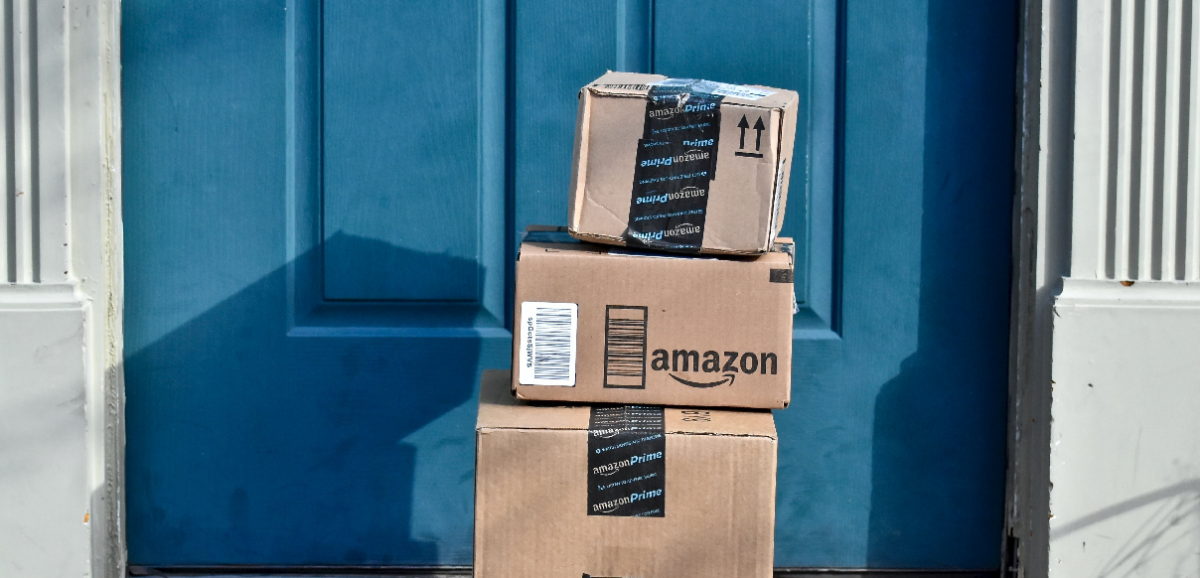
Both Prime and Echo are Strategies for Locking in Consumers and Ensuring they Don’t Shop Anywhere Else

— Half of all U.S. households are subscribed to Prime, and belonging to Prime dramatically decreases comparison shopping. Today, 55% of all online shopping searches start directly on Amazon. The spread of Echo and Alexa, Amazon’s voice assistant, will almost certainly drive this figure higher, making it virtually impossible for competitors to challenge Amazon’s dominance.
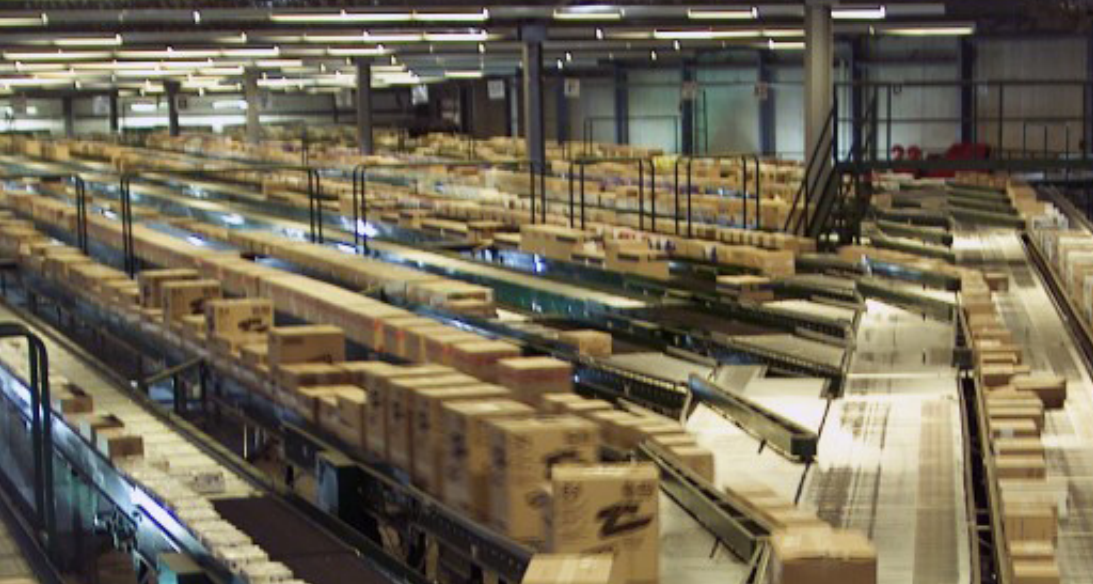
Amazon Already Leads in Several Major Consumer Categories

— Amazon sells more books and toys than any retailer, online or off, and is on track to become the leading seller of apparel and consumer electronics this year.
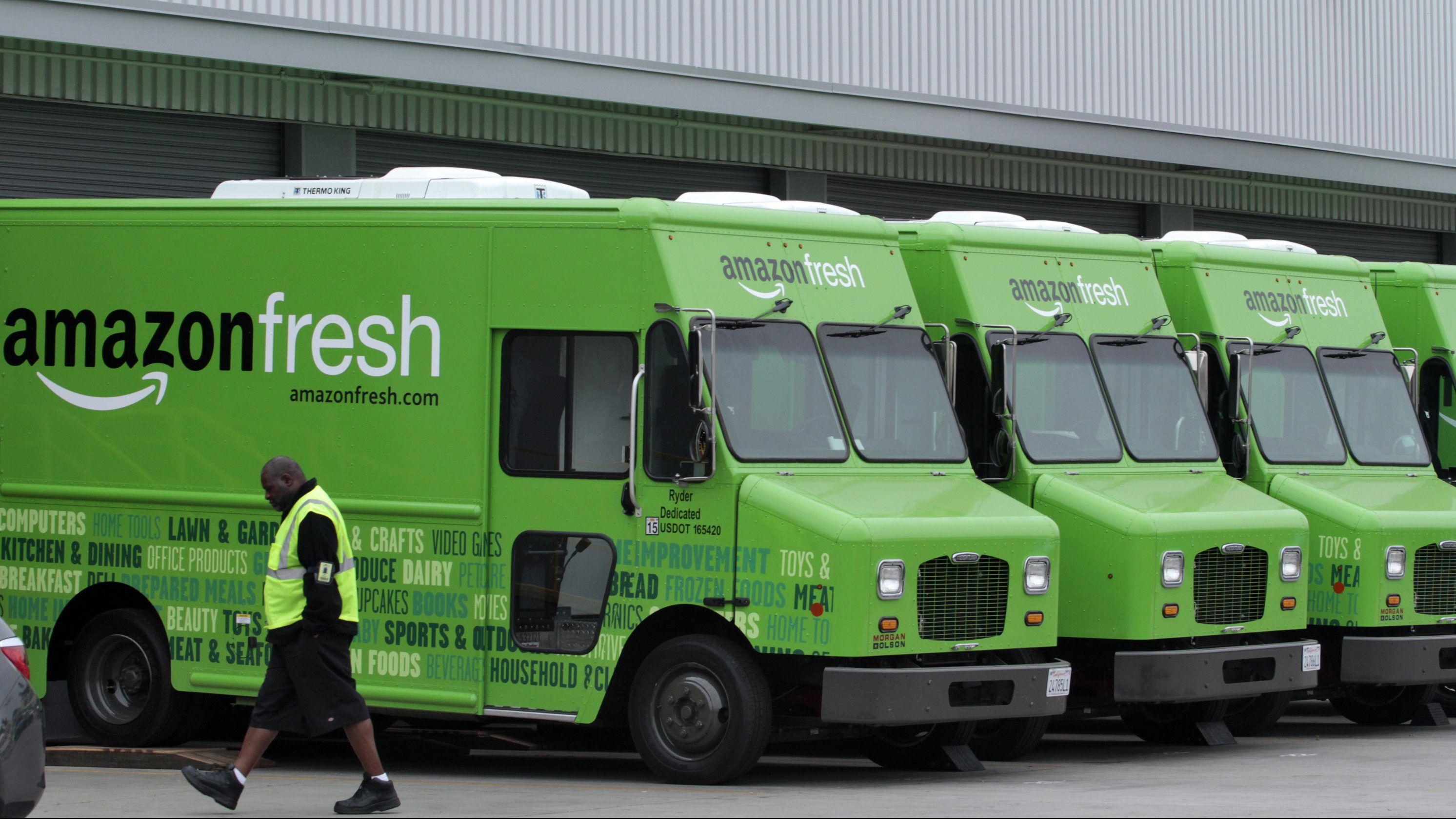
Amazon’s Building a Vast Logistics Network to Control Package Delivery

— In the last year, Amazon doubled the number of warehouse facilities in its U.S. distribution network, and is building a delivery system that can challenge UPS and FedEx.

To read more, see the full report: Amazon's Stranglehold: How the Company's Tightening Grip Is Stifling Competition, Eroding Jobs, and Threatening Communities
Originally published by Institute for Local Self-Reliance

3 WAYS TO SHOW YOUR SUPPORT

ONE-TIME DONATION

Just use the simple form below to make a single direct donation.

DONATE NOW

MONTHLY DONATION

Be a sustaining sponsor. Give a reacurring monthly donation at any level.

GET SOME MERCH!

Now you can wear your support too! From T-Shirts to tote bags.

SHOP TODAY

Sign Up

Article Tabs

From a pro-democratic perspective, civil society and new media organisations are surging in the aftermath of the Orban regime.

The country’s new prime minister, Andy Burnham, has promised a break from the politics of the last 40 years—realizing more broadly that Labour must stand up for the 99% against big business, or the party will become irrelevant.

The tragic shooting of Lorenzo Salgado Araujo is just the latest example of ICE having a fundamental disrespect for human life — further proving why the agency should be stripped of funding and shut down, and its rank-and-file agents and leadership prosecuted.

While the U.S., EU and their allies are enabling Rojava—the strongest force against Islamic State— to fall, it is vital for internationalists to continue to support this beacon of democracy and liberation.

June 23, 2026 may be remembered as the beginning of the end of the Democratic Party establishment.

The current wave of food recalls is a direct byproduct of President Donald Trump’s administration deliberately removing the safeguards put in place aimed at protecting American consumers more than a century ago.

From a pro-democratic perspective, civil society and new media organisations are surging in the aftermath of the Orban regime.

We can still celebrate success while simultaneously putting a cap on net worth.

The country’s new prime minister, Andy Burnham, has promised a break from the politics of the last 40 years—realizing more broadly that Labour must stand up for the 99% against big business, or the party will become irrelevant.

Much like the resistance to AI data centers, the opposition to Flock surveillance cameras has brought the left and the right together against billionaires who are trying to force America into becoming even more of a police state.

Much like the resistance to AI data centers, the opposition to Flock surveillance cameras has brought the left and the right together against billionaires who are trying to force America into becoming even more of a police state.

Posted 1 month 4 weeks ago

The country’s new prime minister, Andy Burnham, has promised a break from the politics of the last 40 years—realizing more broadly that Labour must stand up for the 99% against big business, or the party will become irrelevant.

Posted 1 month 4 weeks ago

We can still celebrate success while simultaneously putting a cap on net worth.

Posted 1 month 2 weeks ago

The current wave of food recalls is a direct byproduct of President Donald Trump’s administration deliberately removing the safeguards put in place aimed at protecting American consumers more than a century ago.

Posted 2 weeks 6 days ago

From a pro-democratic perspective, civil society and new media organisations are surging in the aftermath of the Orban regime.

Posted 3 weeks 1 day ago

The current wave of food recalls is a direct byproduct of President Donald Trump’s administration deliberately removing the safeguards put in place aimed at protecting American consumers more than a century ago.

From a pro-democratic perspective, civil society and new media organisations are surging in the aftermath of the Orban regime.