Submitted by noah on
From a pro-democratic perspective, civil society and new media organisations are surging in the aftermath of the Orban regime.

Submitted by noah on

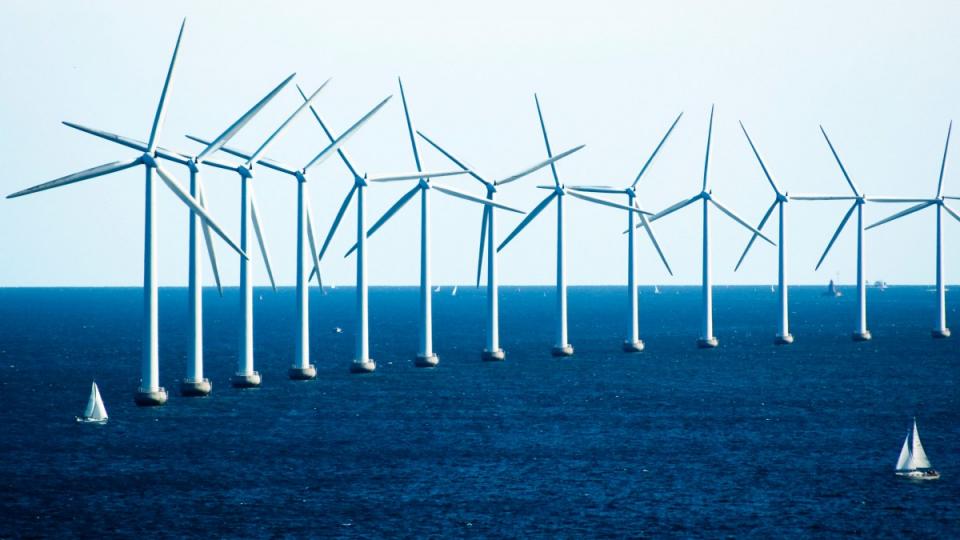




Goldman Sachs bought a large portion of Dong Energy – the national energy company of Denmark that launched on the Nasdaq stock exchange last week – and raked in a quick $1.7 billion in profit, money that rightfully belongs to the Danes.
Wind power in Denmark has created tens of thousands of jobs, yet it's still facing stiff opposition from corporations and politicians.

A Danish weekly has been exposed for bribing one of its IT people to access personal communication and monitor credit and debit card transactions of politicians and celebrities.

Denmark agreed Thursday to sell 19 percent of its state owned energy company, DONG Energy, to U.S. investment giant Goldman Sachs – setting off a storm of protest and the resignation of the Socialist People's Party from the coalition government.
Greenland's minister of business and natural resources helped turn taxing the value of minerals into a popular political cause — and voters recently decided against companies extracting their natural resources for free.

From a pro-democratic perspective, civil society and new media organisations are surging in the aftermath of the Orban regime.

The country’s new prime minister, Andy Burnham, has promised a break from the politics of the last 40 years—realizing more broadly that Labour must stand up for the 99% against big business, or the party will become irrelevant.

The tragic shooting of Lorenzo Salgado Araujo is just the latest example of ICE having a fundamental disrespect for human life — further proving why the agency should be stripped of funding and shut down, and its rank-and-file agents and leadership prosecuted.

While the U.S., EU and their allies are enabling Rojava—the strongest force against Islamic State— to fall, it is vital for internationalists to continue to support this beacon of democracy and liberation.

June 23, 2026 may be remembered as the beginning of the end of the Democratic Party establishment.

The current wave of food recalls is a direct byproduct of President Donald Trump’s administration deliberately removing the safeguards put in place aimed at protecting American consumers more than a century ago.
From a pro-democratic perspective, civil society and new media organisations are surging in the aftermath of the Orban regime.

We can still celebrate success while simultaneously putting a cap on net worth.
The country’s new prime minister, Andy Burnham, has promised a break from the politics of the last 40 years—realizing more broadly that Labour must stand up for the 99% against big business, or the party will become irrelevant.

Much like the resistance to AI data centers, the opposition to Flock surveillance cameras has brought the left and the right together against billionaires who are trying to force America into becoming even more of a police state.
We can still celebrate success while simultaneously putting a cap on net worth.
The current wave of food recalls is a direct byproduct of President Donald Trump’s administration deliberately removing the safeguards put in place aimed at protecting American consumers more than a century ago.
From a pro-democratic perspective, civil society and new media organisations are surging in the aftermath of the Orban regime.
From a pro-democratic perspective, civil society and new media organisations are surging in the aftermath of the Orban regime.

The star-studded summer blockbuster has been lauded as a feminist film. But Barbie is not just pro-women—it’s also very pro-men.

"POTUS" is an acronym political journalists frequently use when talking about the President of the United States. However, "POTUS" seems a woefully soft and inadequate word to describe the current occupant of the Oval Office.

Washington Post reporter Drew Harwell talks about how Americans are welcoming surveillance devices like Ring and Nest into their homes, and — as they can now watch their front doors, babysitters, children and pets all day long — how surveillance has become normalized.