
From Greece to Poland and even Germany, the European Union has been experiencing a surge in popularity among the populist right from as early as 2012. During that low point of the fiscal recession, the EU's political parties looked overwhelmed by a deluge of far-right, populist political movements which, for the most part, voiced the opinions of a marginalized minority across the continent.
But with the advent of the refugee crisis, which brought the Union's inability to coordinate toward a common goal into the public eye, a few of those populist parties were elevated into positions of government – like Poland's pro-Catholic PiS, which recently pushed for a highly unpopular abortion ban, and Hungary's openly anti-Roma Fidesz Party, led by Viktor Orban.
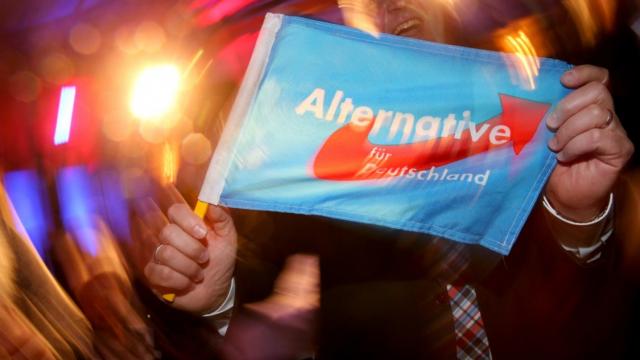
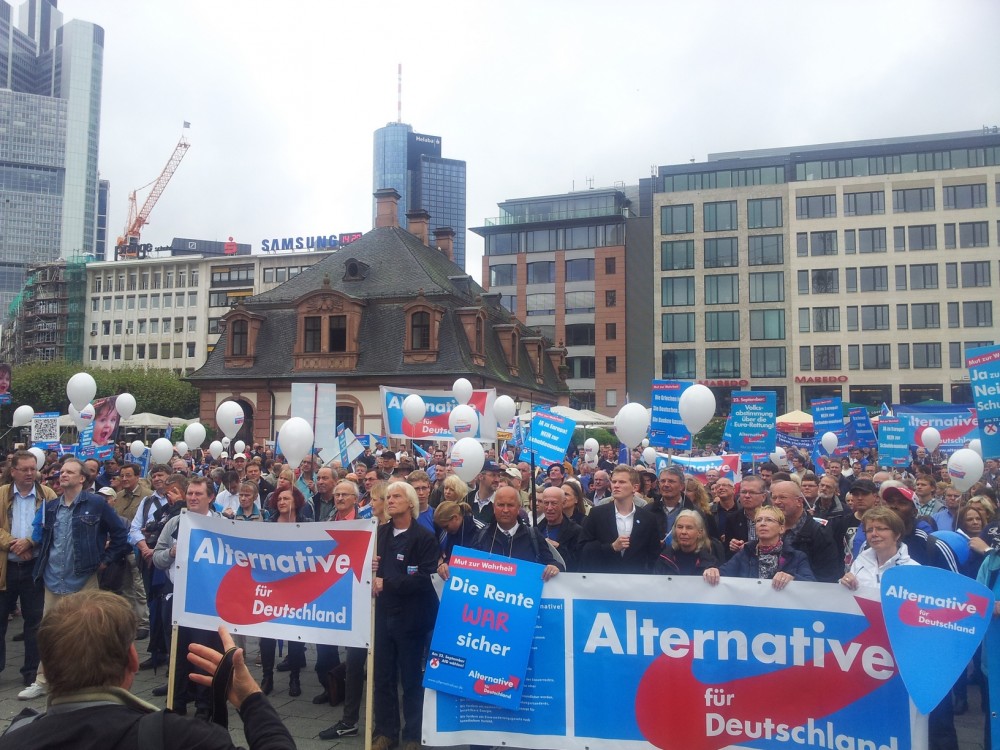
While these examples may represent the most extreme cases, the rise in popularity of the German far-right Alternative für Deutschland (AfD) party and the French National Front immediately following the election of Donald Trump raises an important question: How far gone is the E.U., exactly?
What We Mean by Populism
The term "populist" has become so commonplace in today's political reporting that it has nearly lost its original meaning. Populist most often means a political agenda based on the preaching and exploitation of an overly pronounced "us vs them" mentality, where privileged alien "minorities" are sheltered by "the elites" to such a degree that they strip away the rights of "the people". A populist agenda, therefore, dictates that the "minority" must be exposed and removed from the equation in order for "the people" to be restored to a state of prosperity.
If that sort of reasoning sounds familiar, that's because it is.
The parallel becomes even more pronounced after the recent statements made by Bjorn Hocke, a spokesman for the AfD party, who claimed that Germans should stop atoning for the Nazi Party's crimes during World War II. During a visit to the Memorial to the Murdered Jews of Europe, Hocke stated: “Until now, our mental state continues to be that of a totally defeated people. We Germans are the only people in the world that have planted a monument of shame in the heart of their capital.”
While Hocke's statement might have seen him booed off the stage just two years ago, the supporting cries from his audience represented an overall trend of support for the far right that is growing across the continent. According to recent polls, 2017 could be the year when parties like the openly anti-Islamic and anti-immigration Dutch PVV might finally assume positions of real power, and the National Front might finally make it into the second round of presidential elections in France.
It's obvious that these changes, which are no longer confined to the Union's "unfortunates," also reveal another trend: that of rising euroscepticism, which could very well spell the end of the single currency and, perhaps, even the Eurozone.
How Does the U.S. Fit Into the Bigger Picture?
Despite assurances to the contrary, the E.U.'s political leanings are severely affected by U.S. political tendencies. The continued presence of NATO forces and the considerable cultural and economic influence of the U.S. have shaped the politics of the continent since the beginning of the Cold War. When Donald Tusk, the European Council President, warned against Donald Trump's "worrying declarations," he wasn't simply referring to the possible economic cooperation between the two largest markets in the world: he was also referring to the possibility of 70 years worth of diplomatic relations coming undone. After all, Donald Trump has come out vocally against the need for NATO's continued presence on the continent and has lauded Russian President Vladimir Putin while also supporting the finalization of Brexit.
Perhaps the most inflammatory statements, however, came from Ted Malloch, Trump's nominee for U.S. ambassador to the E.U., who earlier in February made no attempt to hide his distrust of the euro and its chances for continued survival, and even caused significant uproar in Greece, stating during an interview with its largest newspaper: “I think certainly there will be a Europe. Whether the eurozone survives, I think it’s very much a question that is on the agenda.”
While Malloch's comments may result in his E.U. ambassadorship being blocked by Brussels, he appears nonetheless to be preaching to a rising choir of voices who want nothing more than to return to the so-called glory days of an impossible, isolationist past that never was on the Old Continent.
For the time being, neither side seems willing to negotiate any form of compromise. Europe's "populist" right appears dead set on policies that mirror the U.S. president's extremely conservative positions, while the liberal parties currently in power remain unable to consider less intrusive policies that might put an end to the eurosceptic tide.
3 WAYS TO SHOW YOUR SUPPORT



- Log in to post comments


