

Each of us took turns over the past 43 years running the Environmental Protection Agency. We served Republican presidents, but we have a message that transcends political affiliation: the United States must move now on substantive steps to curb climate change, at home and internationally.
There is no longer any credible scientific debate about the basic facts: our world continues to warm, with the last decade the hottest in modern records, and the deep ocean warming faster than the earth’s atmosphere. Sea level is rising. Arctic Sea ice is melting years faster than projected.
The costs of inaction are undeniable. The lines of scientific evidence grow only stronger and more numerous. And the window of time remaining to act is growing smaller: delay could mean that warming becomes “locked in.”
A market-based approach, like a carbon tax, would be the best path to reducing greenhouse-gas emissions, but that is unachievable in the current political gridlock in Washington. Dealing with this political reality, President Obama’s June climate action plan lays out achievable actions that would deliver real progress.
He will use his executive powers to require reductions in the amount of carbon dioxide emitted by the nation’s power plants and spur increased investment in clean energy technology, which is inarguably the path we must follow to ensure a strong economy along with a livable climate.
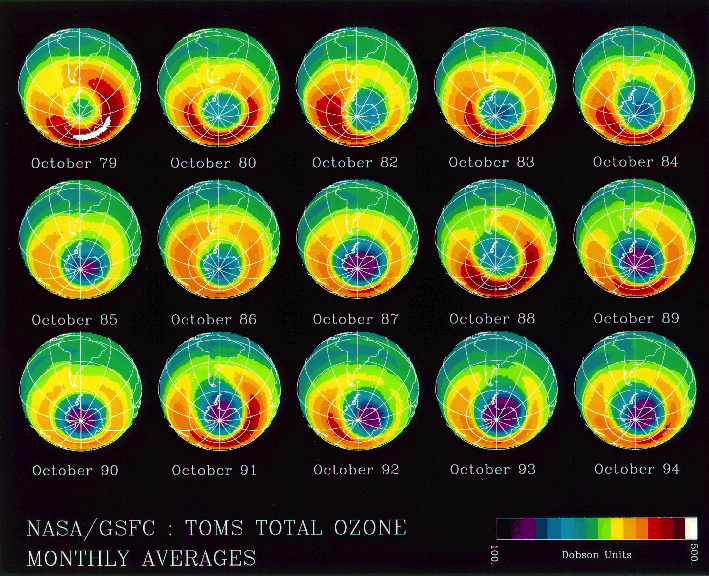
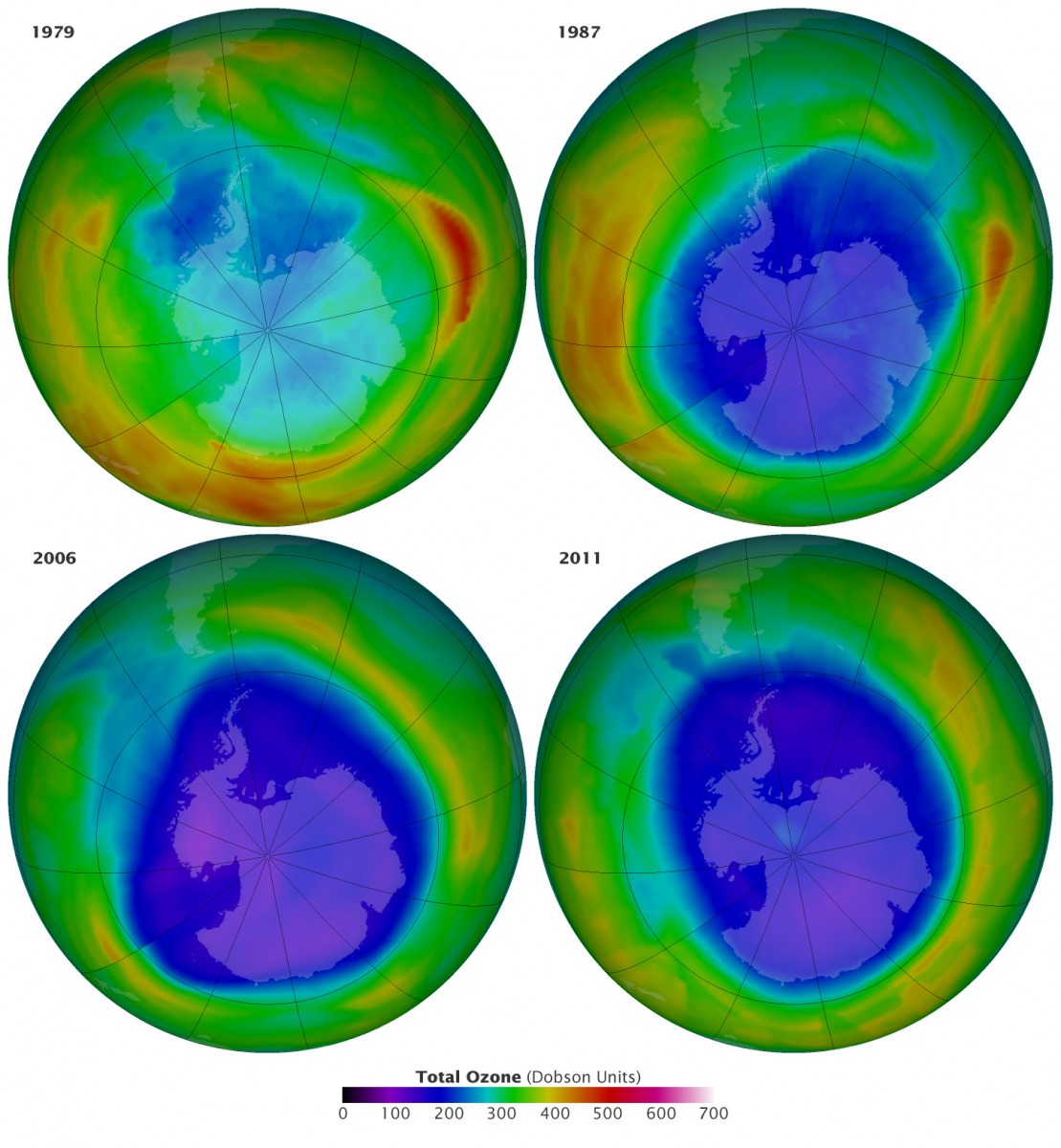
The president also plans to use his regulatory power to limit the powerful warming chemicals known as hydrofluorocarbons and encourage the United States to join with other nations to amend the Montreal Protocol to phase out these chemicals. The landmark international treaty, which took effect in 1989, already has been hugely successful in solving the ozone problem.
Rather than argue against his proposals, our leaders in Congress should endorse them and start the overdue debate about what bigger steps are needed and how to achieve them — domestically and internationally.
As administrators of the E.P.A under Presidents Richard M. Nixon, Ronald Reagan, George Bush and George W. Bush, we held fast to common-sense conservative principles — protecting the health of the American people, working with the best technology available and trusting in the innovation of American business and in the market to find the best solutions for the least cost.
That approach helped us tackle major environmental challenges to our nation and the world: the pollution of our rivers, dramatized when the Cuyahoga River in Cleveland caught fire in 1969; the hole in the ozone layer; and the devastation wrought by acid rain.
The solutions we supported worked, although more must be done. Our rivers no longer burn, and their health continues to improve. The United States led the world when nations came together to phase out ozone-depleting chemicals. Acid rain diminishes each year, thanks to a pioneering, market-based emissions-trading system adopted under the first President Bush in 1990. And despite critics’ warnings, our economy has continued to grow.
Climate change puts all our progress and our successes at risk. If we could articulate one framework for successful governance, perhaps it should be this: When confronted by a problem, deal with it. Look at the facts, cut through the extraneous, devise a workable solution and get it done.
We can have both a strong economy and a livable climate. All parties know that we need both. The rest of the discussion is either detail, which we can resolve, or purposeful delay, which we should not tolerate.
Mr. Obama’s plan is just a start. More will be required. But we must continue efforts to reduce the climate-altering pollutants that threaten our planet. The only uncertainty about our warming world is how bad the changes will get, and how soon. What is most clear is that there is no time to waste.
The writers are former administrators of the Environmental Protection Agency: William D. Ruckelshaus, from its founding in 1970 to 1973, and again from 1983 to 1985; Lee M. Thomas, from 1985 to 1989; William K. Reilly, from 1989 to 1993; and Christine Todd Whitman, from 2001 to 2003.

3 WAYS TO SHOW YOUR SUPPORT



- Log in to post comments


