
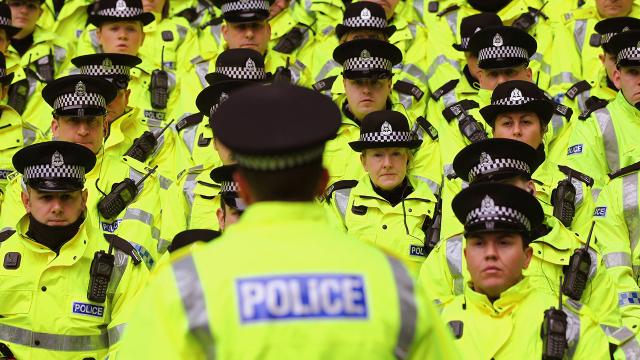
In 2008, residents of New Mills, a small rural town in Derbyshire in the North-West of England, were reassured there were no plans to close the town's police station after they had expressed concerns about policing of the area.
Ten years later, the police station has indeed been closed, its doors boarded up and the building put up for sale as commercial premises. The closure of the police headquarters that had kept a watchful eye on the town for many years is just one consequence of a 25 percent funding cut to Derbyshire police since 2011.
As well as other local stations closing, Derbyshire police now have 411 fewer police officers on the beat. These changes come at a time when anti-social behavior is on the rise in New Mills, with gangs increasingly travelling to the town to do little more than stir up trouble.
Without an adequate police presence to keep the area safe, the rise in gang behaviour is rattling local people. As Alan Barrow, Labour Councillor for New Mills and Chair of the Labour Group, New Mills East, told Occupy.com:
“The number of police available in our area is diminishing year on year since this government started with its austerity program. If people don’t see the police around, then they inevitably feel unsafe. Police are taking a long time to reply to complaints, if at all. As the number of officers around our area has diminished they are less likely to witness and catch the bad behaviour.”
National concerns
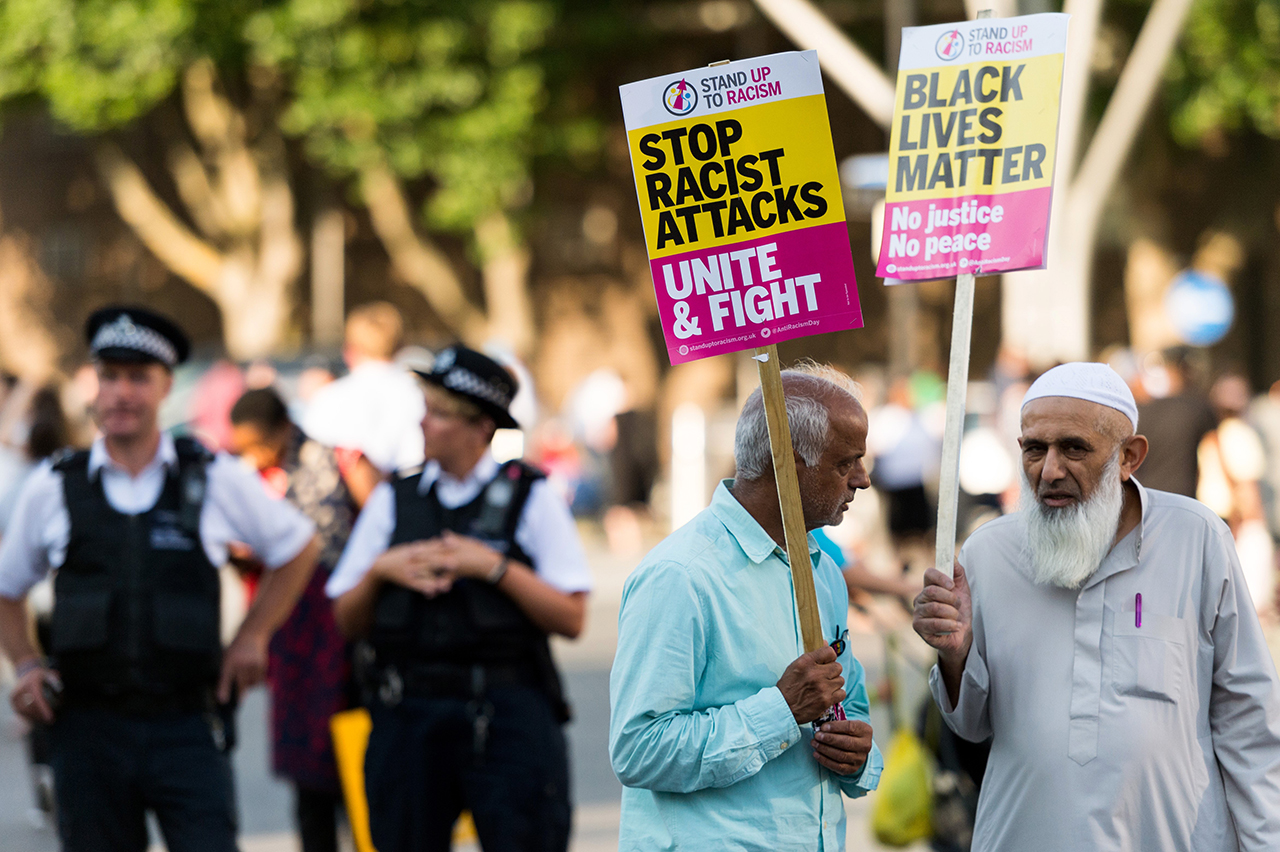
The worrisome trend of Britain’s streets becoming increasingly bare of police at a time of rising anti-social behaviour isn’t confined to New Mills and Derbyshire, but is echoed throughout much of the country.
In London, Mayor Sadiq Khan confirmed that 37 police stations – more than half of the capital’s remaining 73 police front counters – are shortly due to close. The controversial plans will leave just one police station open to the public 24 hours in each London borough. Like the station in New Mills, many of these buildings are likely to be sold off to developers or investors with a commercial interest.
The dramatic move comes in the wake of Tory government cuts to police funding that are intended to save an additional £8 million, purportedly to help support more frontline street patrol policing. According to a statement released last November on the website of the London Mayor and 25 London Assembly members:
“These cuts to Metropolitan Police funding mean police officer numbers in London are falling, and this meant Sadiq having to consult on drastic measures in order to prioritise public safety and police officers on the beat.”
The “drastic measures” due to police cuts are happening in the wake of the Brexit vote, at a time when hate crime and anti-social behaviour is on the rise throughout the country. Figures show that Islamophobic hate crimes in London have soared by almost 40 percent in the last five years, with 1,678 anti-Muslim hate crimes reported in 2017 – a jump of 1,205 crimes from the previous year.
These figures have been described as failing to represent the full scale of Islamophobia and hate crimes against Muslims that have surged in the British capital in recent years, with such crimes going “hugely under-reported.”
Bigoted hatred and associated crimes aren't restricted to anti-Islam sentiment by any means. During 2016 and 2017, the number of hate crimes increased by 29 percent throughout England and Wales. According to Home Office statistics, the biggest rise was in crimes that targeted people with disabilities and transgender individuals.
One sickening case that demonstrated the severity of the hate crimes bubbling in Britain took place recently in Bury in the North-West of England, where a disabled man was left terrified after racist vandals sprayed "kill Muslims" on his front door.
Hate fuelled by Brexit
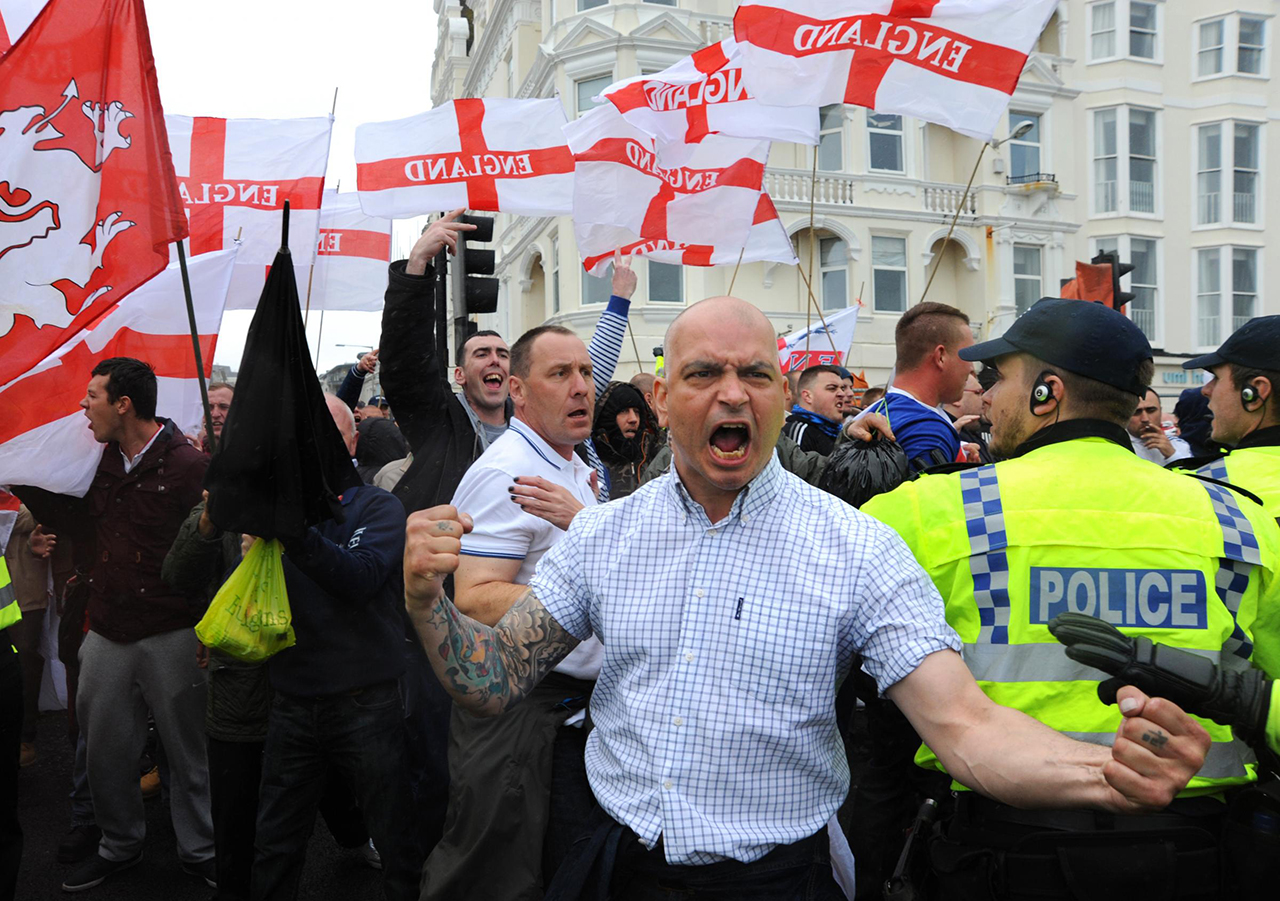
The rise in hate crimes has explicitly been associated with Brexit, with prejudice-invoked crime spiking around the time of the referendum in summer 2016. During the run-up to the historic EU vote, a surge in hate crimes was reported, with attackers being arguably motivated by the growing divisions and racial hostilities within the country that the referendum helped spur.
As a Home Office Spokesperson told The independent: “There were a number of spikes in racially or religiously aggravated offences. These were in June 2016 [Eu referendum result], March 2017 [Westminster Bridge attack], May 2017 [Manchester Arena bombing] and June 2017 [London Bridge and Finsbury Park mosque attacks].”
In 2010, when Prime Minister Theresa May was home secretary, she made the mistake that even Margaret Thatcher didn’t make in the 1980s, agreeing to allow government to cut police budgets by 18 percent. In the ensuing years, the number of police officers on the streets in England and Wales fell sharply: from 144,353 in 2009 to 122,859 in 2016.
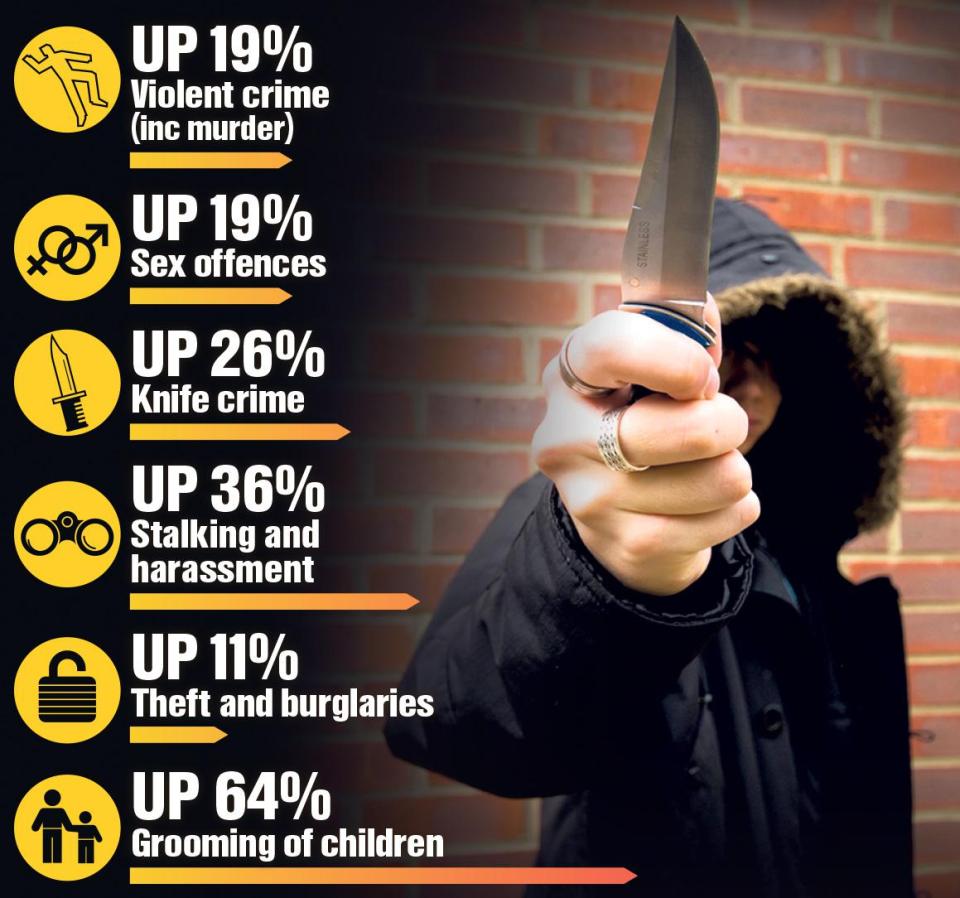
While the relentless cuts to police budgets may not be directly responsible for the rising level of hate crimes in Britain, they add to the general worry that Britain’s streets are become more dangerous and policing more tenuous. Ultimately, the Tory-led austerity cuts appear to have fostered a national police force that simply doesn't have the budget or resources to tackle crime.
How's that for Conservatives handling law and order.
3 WAYS TO SHOW YOUR SUPPORT



- Log in to post comments


